Recall your favorite moments on the beach, swimming, snorkeling, diving, or sailing across the deep blue sea. You probably picture it as clear and blue and beautiful. There you are bopping in the water with the movement of the waves and look, a plastic bottle comes bopping it’s way across the waters as well. And another one. And another one. And another one. That’s becoming the reality of our oceans.
Do you know how much trash is in our ocean? National Geographic Society says “The numbers are staggering: There are 5.25 trillion pieces of plastic debris in the ocean. Of that mass, 269,000 tons float on the surface, while some four billion plastic microfibers per square kilometer litter the deep sea.”
On top of that, as if that wasn’t bad enough, do you know how much trash is dumped into the ocean every year? “An estimated 14 billion pounds of trash-most of it plastic -is dumped in the world’s oceans each year.” Is your mind blown yet? It should be. Mine was, first, after volunteering at a coastal clean up with Brooklyn Bridge Park and for a second time, after doing some more research on the impact of our waste production. It was extremely eye-opening and made me rethink my lifestyle choices as you should yours.
Coastal Cleanup at Brooklyn Bridge Park
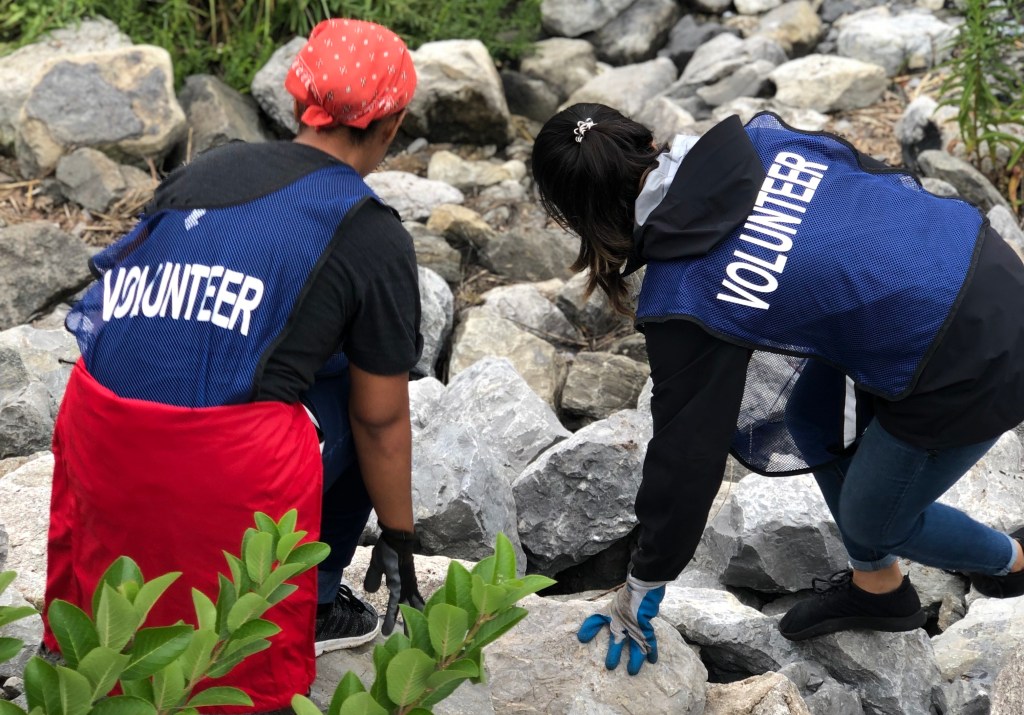
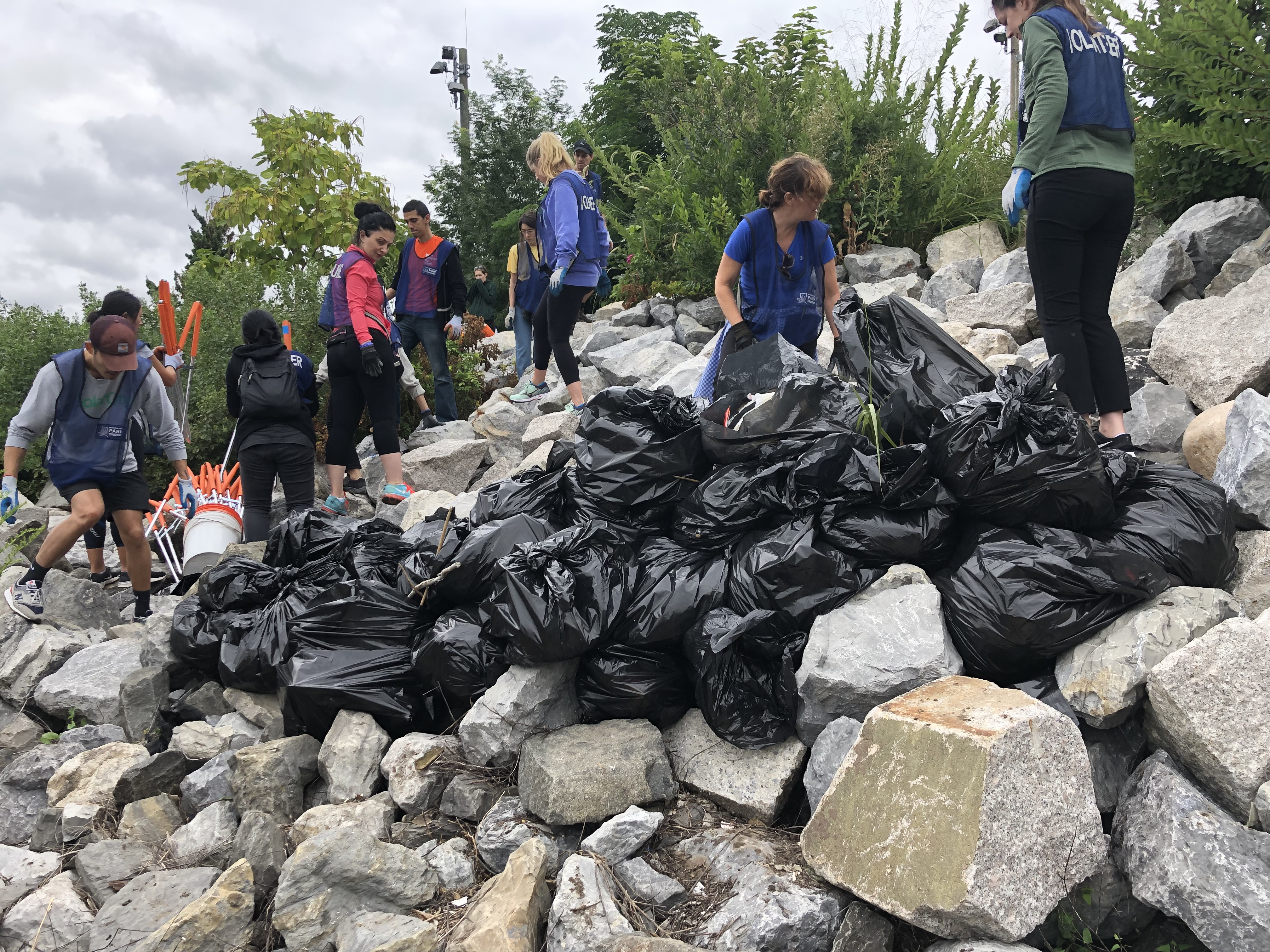
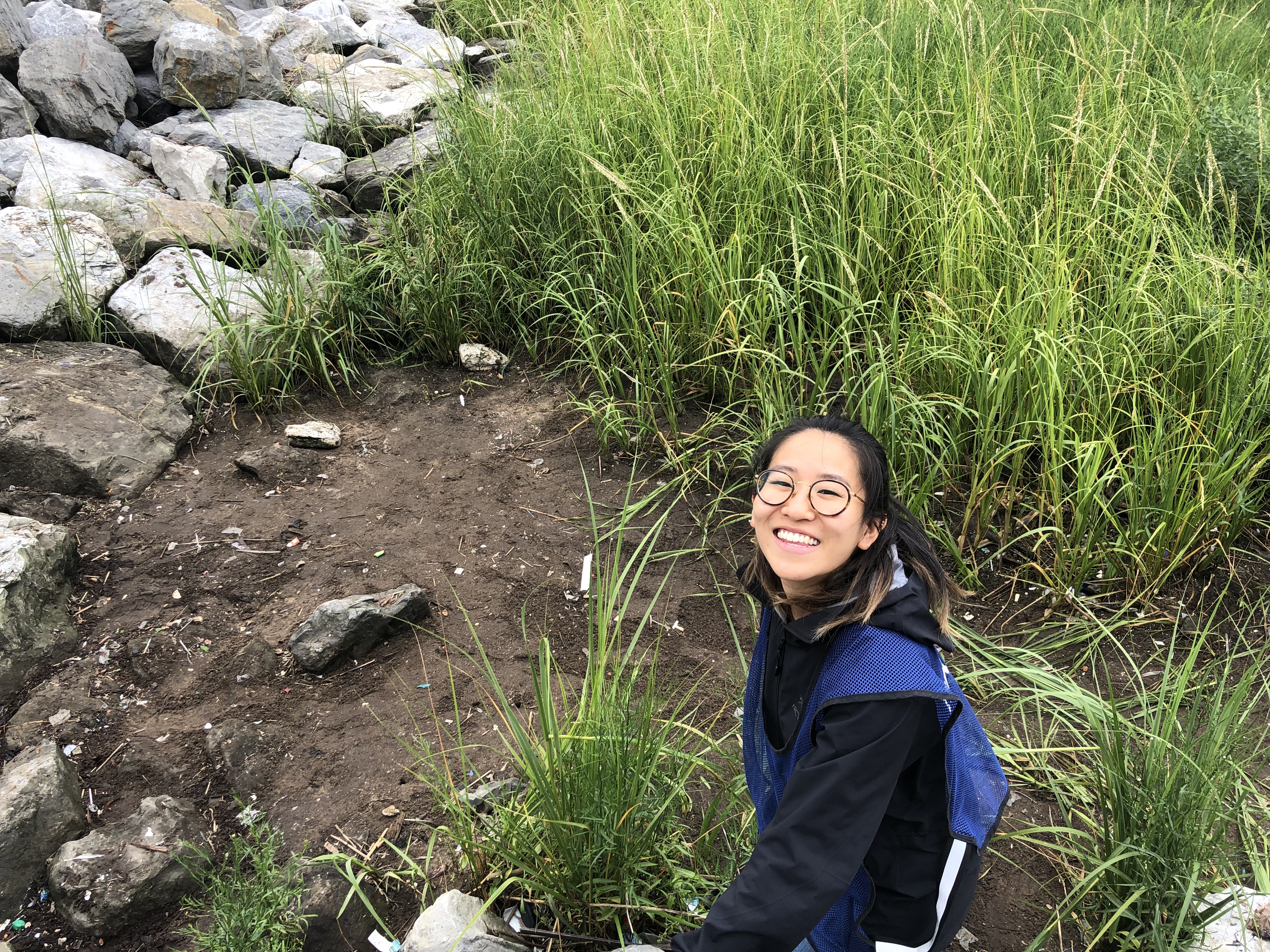
From May to October, Brooklyn Bridge Park Conservancy holds Coastal Cleanups at low-tide. These cleanups are open to the public for those who would like to volunteer their time. Over two hours every month, about 50 pounds of garbage is collected and even then, we didn’t manage to get everything in the small salt marsh near Pier 1.
I’ll be honest here, up until two weeks ago, I wasn’t living a very sustainable life either which is very unaligned with my love for the outdoors. Right before attending the coastal cleanup, I even thought “Brooklyn Bridge Park could just pay people to clean the park. It’s kind of silly that they’re using volunteers. It’s not like we’ll make a huge difference in two hours anyways.” Yes, I know. Shame on me for thinking that. But I’m not wrong. They probably could pay people and 50 pounds is hardly anything compared to the amount of trash in the ocean but there’s a bigger takeaway!
Besides the gratification of cleaning up 50 pounds of garbage, Natasha and I were left with something more impactful: We as a whole cannot go on living like this. We do not just live on this planet. We must learn to coexist with Earth! We must all start living more sustainably and encourage others to do the same.
I matter. You matter. Our Earth matters.
Sure we could pick up over a ton of garbage but if we don’t also find a sustainable way to live, it’s all for naught. The only way we can catch up to the accumulated and accumulating waste is to:
- Decrease our waste production.
- Clean up what’s accumulated!
Even if you live under a rock, I’m sure you’ve heard about the transition from plastic straws to bamboo/metal/paper straws. And by now, someone must have told you to recycle your paper/plastic/metal/glass wastes properly and to not litter. You most likely were even told about composting your food scraps, right? Yet, have you started doing any of these? If you have, I applaud you. If you haven’t, I understand why you haven’t. It’s easier not to, especially if you don’t consciously connect the negative impacts of our waste production. It may seem hard to make a conscious effort to change your everyday habits but listen, it’s really not.
My Takeaways:
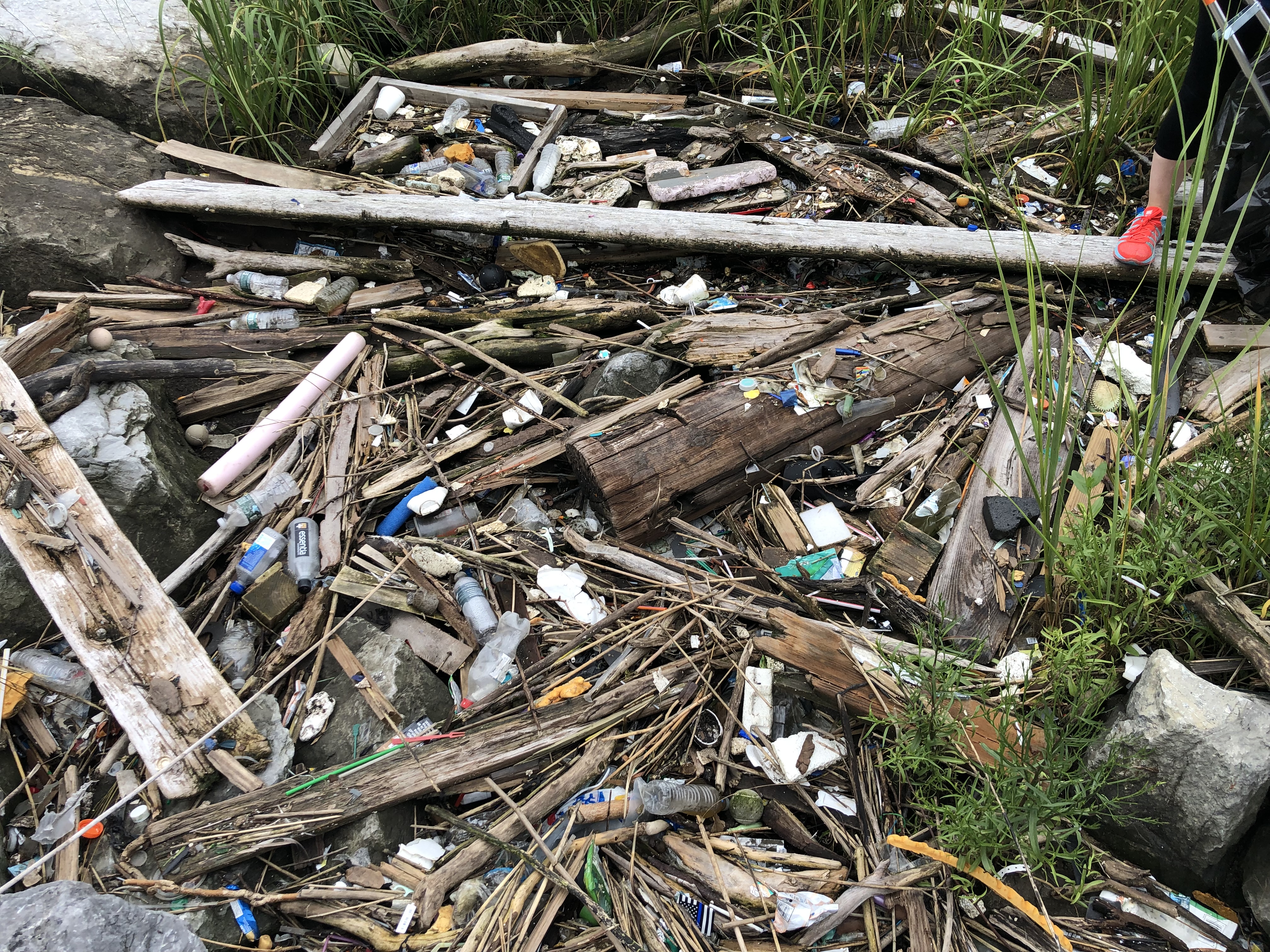
- Plastic straws. We saw an infinite about of plastic straws to the point where they pissed me off. I personally don’t really use straws in my everyday life and I’m also not a coffee drinker so I don’t find them entirely necessary and you don’t have to either. Coffee straws especially are very unnecessary. If we think about it logically, no matter how small the straw is, the coffee will still burn your tongue so you’re not using it to drink and if you’re using it to stir your coffee, please use the wooden coffee stirrer instead.
- Plastic bags. These actually get trapped way in between rock crevices and accumulate because they are not biodegradable. I spent more than 10 minutes grabbing trash out of one rock crevice. It was like some sick magic trick with endless straws, plastic bags, dime bags, and styrofoam.
- Bottle caps. The salt marsh was a bottle cap galore. I cant even imagine where the bottles ended up.
- And to top it all off, Natasha and I, alone, found 25 tampons. Yup, you read that right. Tampons!
Please, take a minute to think about your choices and see if you can replace any of the items you use to a plastic free/biodegradable/recyclable item.
Simple Ways to Start ReducingYour Waste Production
- Vote for politicians who care about the environment.
- Don’t litter.
- Recycle. Reuse.
- Stop using straws or switch over to metal/bamboo/paper straws.
- Stop using coffee straws. Use wooden coffee stirrers.
- Bring a reusable grocery bag/tote bag for your groceries. They’re sturdier and can hold more in one bag compared to plastic groceries bags.
- Try to opt for no plastic packaging when shopping.
- Bring your own utensils especially when you pack your own lunches.
- Use glass food containers versus plastic containers.
- Use a reusable water bottle.
- Use reusable ziplock bags.
- Use reusable produce bags.
- And for my ladies out there, use menstrual cups instead of tampons. Or at the very least, dispose of them properly.
(Here are some items that can replace your plastics at home!)
The best part is that most of these switches don’t require much and once you make the switch, your everyday activities will carry on as they were AND you’ve started doing your part of taking care of our home, Earth. Living a more sustainable life is our responsibility to ourselves, everyone else, and the planet. You will be reducing the amount of plastic waste that is produced yearly. You will be protecting your oceans and mountains, your summers and winters, your greens and animals, yourself and your family! You will be helping preserve our earth for our future generations! Let’s start leaving bigger and greater impacts with small changes before the damage we’re causing is irreversible.

 goldie-ventures.com
Leave a reply to Kostas Mamonas Cancel reply